Sundargarh is blessed with rich forests, rivers and biodiversity, which are closely connected to the lives and livelihoods of its Adivasi and rural communities. Yet, deforestation, mining, changing rainfall patterns and climate change are putting increasing pressure on agriculture, water resources, forests and traditional livelihoods.
Environmental protection in Sundargarh is therefore not only about conserving nature—it is about protecting food security, livelihoods, culture and community well-being. Women are particularly affected by water and fuel scarcity, while unpredictable rainfall and crop losses can increase indebtedness and migration. The loss of biodiversity also threatens traditional knowledge, medicinal practices and culturally important natural spaces.
Communities at the Heart of Conservation
Rural communities are important custodians of the environment. Through community forest management, water conservation, sustainable agriculture and traditional conservation practices, they can play a leading role in restoring natural resources.
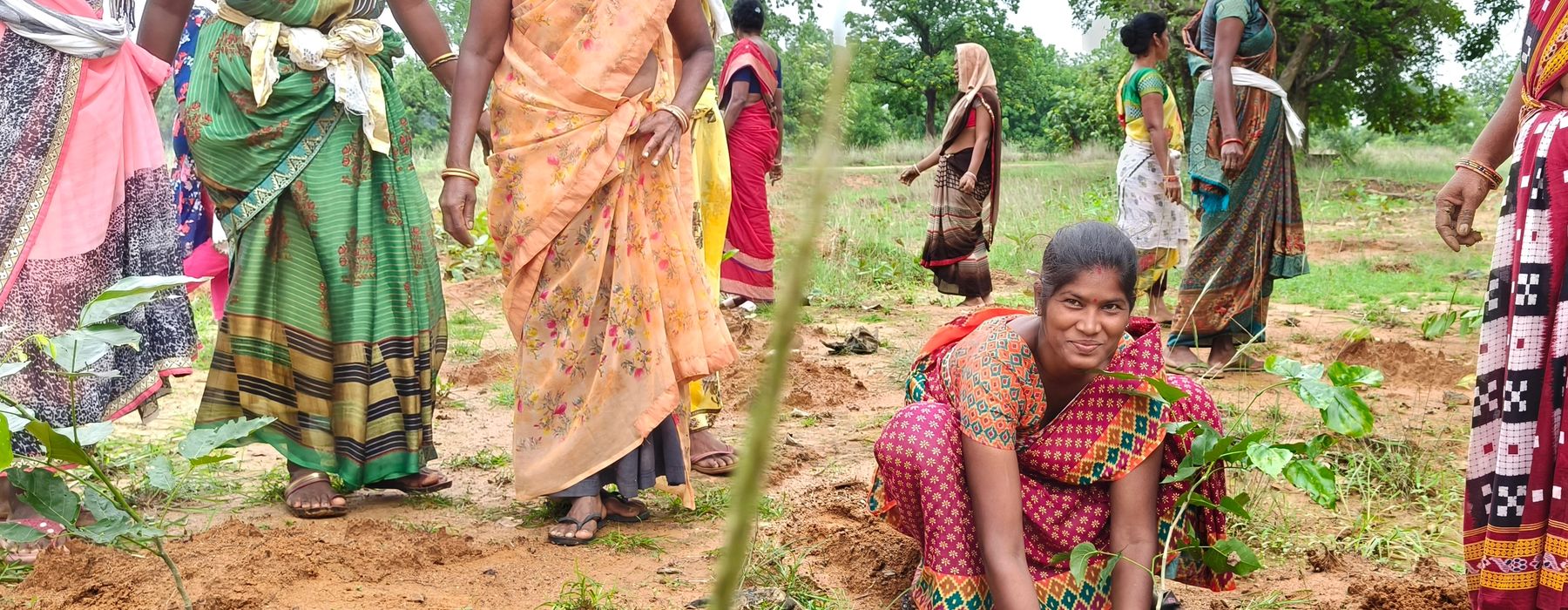
Women’s groups and youth are also emerging as important voices for environmental action through afforestation, awareness campaigns, sustainable livelihoods and environmental education.
SSS: Supporting Sustainable Solutions
For over a decade, Samajik Seva Sadan (SSS) has been working with communities in Subdega and Bargaon blocks to strengthen environmental resilience and sustainable livelihoods. Its initiatives include promoting organic and climate-resilient agriculture, millet cultivation, water harvesting and micro-irrigation, community-based natural resource management, afforestation and livelihood diversification.
SSS also works to strengthen local institutions, including women’s self-help groups, youth groups and community organisations, enabling people to take collective action for the protection and sustainable use of natural resources.
Towards a Greener and More Resilient Sundargarh
Protecting Sundargarh’s environment requires a combination of community knowledge, sustainable practices and collective action. Continued investment in climate adaptation, water security, biodiversity conservation and women’s leadership can help communities respond to environmental challenges while creating sustainable livelihood opportunities.
For SSS, environmental protection is ultimately about people—protecting nature today to secure the livelihoods, culture and future of generations to come.